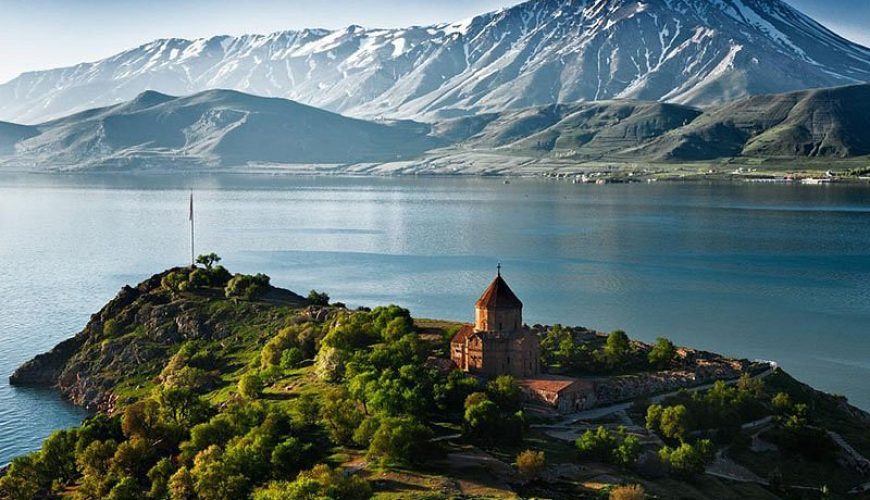
Sevanavank Monastery

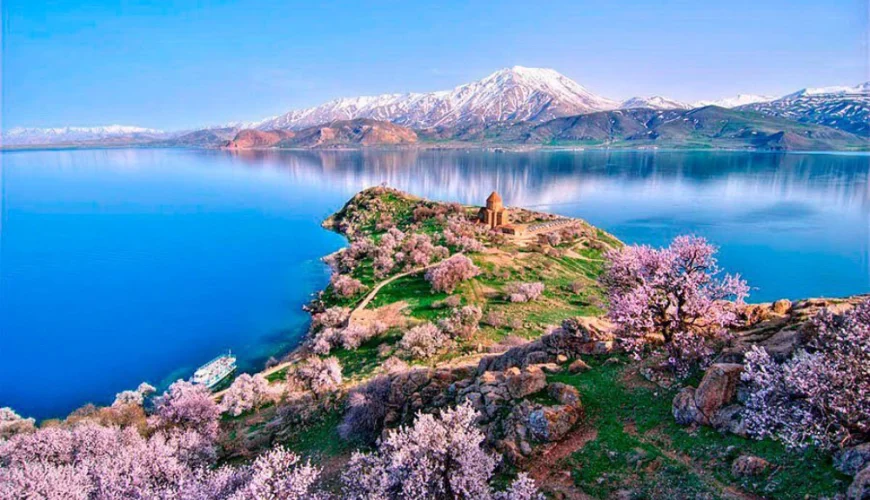
Sevanavank Monastery is located on the summit of the Sevan Peninsula, in the Gegharkunik Region, about a 1.5-hour drive from Yerevan.
Read More

Lake Sevan

Lake Sevan is the largest lake not only in Armenia but in the entire Caucasus region. Twenty-nine rivers flow into Lake Sevan, while only one river flows out — the Hrazdan River.

Read More

Kecharis Monastery Complex

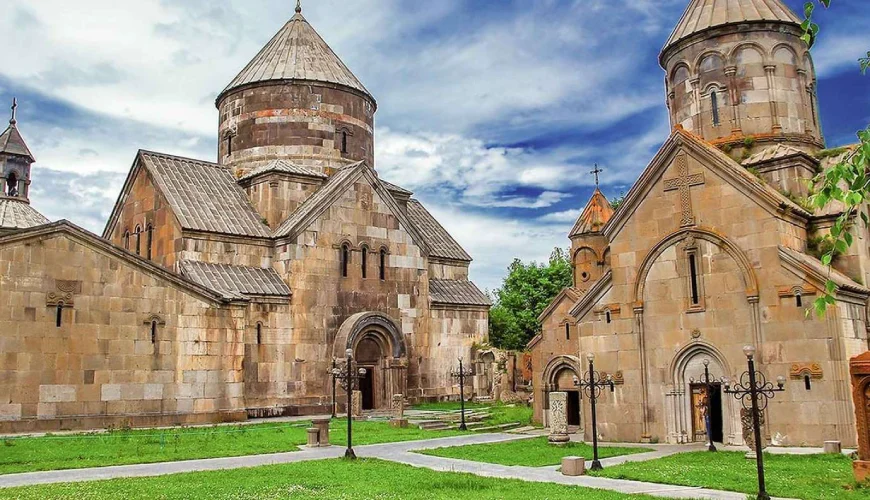
Kecharis Monastery Complex is situated in the resort town of Tsaghkadzor, in the Kotayk Region, about an hour’s drive from Yerevan. This is a medieval monastery complex dating back to the 11th–13th centuries.

Read More

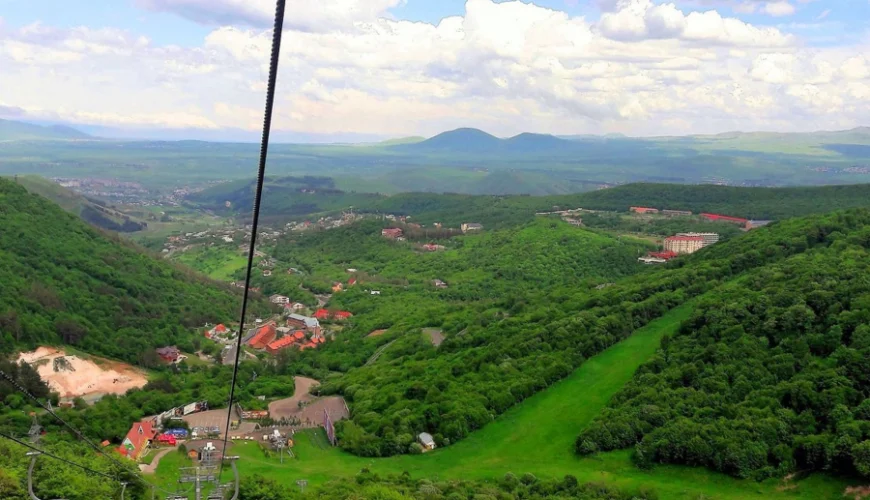
Tsaghkadzor city

Tsaghkadzor city is Armenia’s most famous ski resort town, situated on the slopes of Mount Teghenis in the Kotayk Region, just an hour’s drive from Yerevan.

Read More

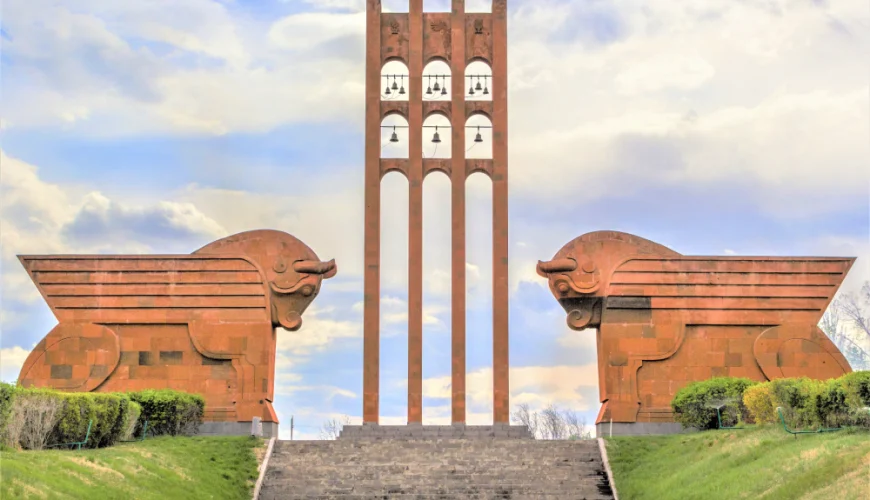
Sardarapat Memorial Complex

Sardarapat Memorial Complex is dedicated to the Battle of Sardarapat, located in the Armavir Province near the Armenian-Turkish border, about a 1-hour drive from Yerevan.

Read More

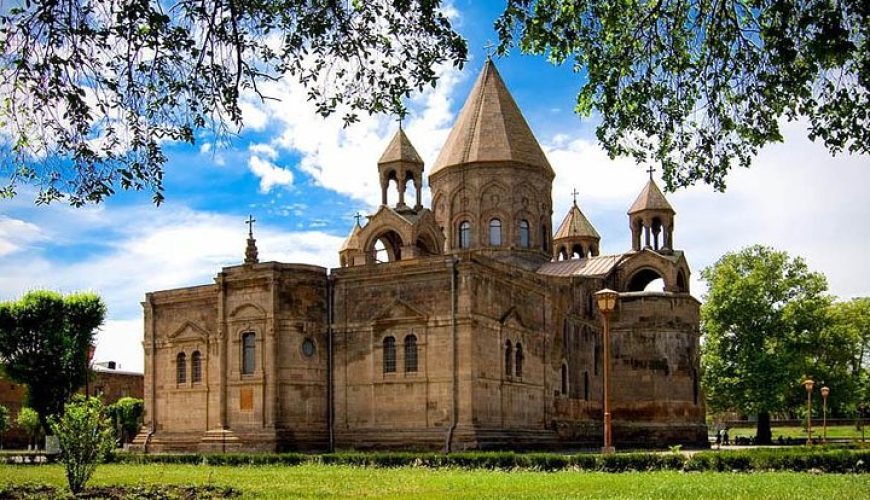
Vagharshapat

Vagharshapat is the fifth largest city in Armenia, located in the Armavir province, about a 30 to 40-minute drive from Yerevan.

Read More

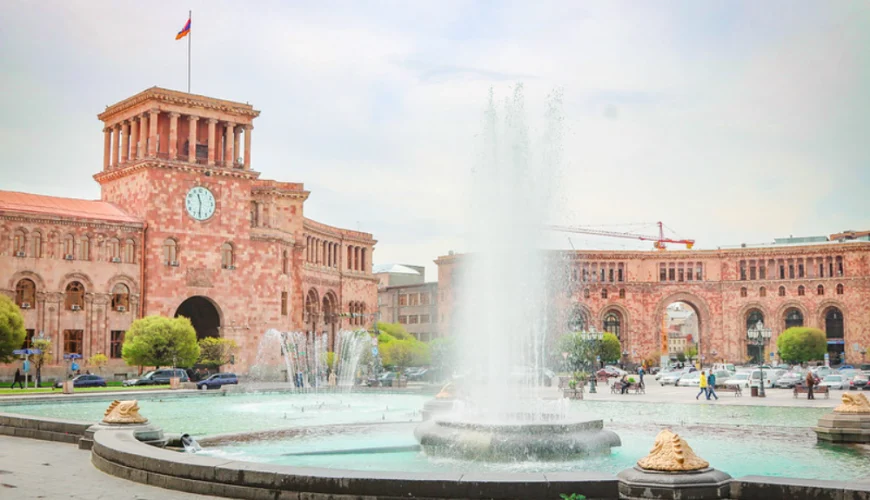
Yerevan – Erebuni

Have you heard that Yerevan – Erebuni is older than Rome?

That’s not just a rumor — it’s a fact. Yerevan was founded in 782 BC by Urartian King Argishti I, which is 29 years earlier than the traditional founding date of Rome in 753 BC.

Read More

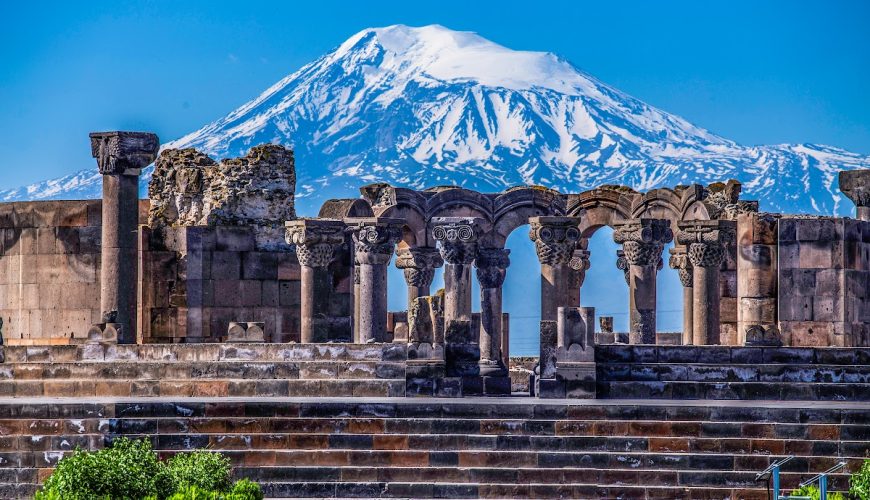
Zvartnots Cathedral

Zvartnots Cathedral is situated in Vagharshapat, in the Armavir Region, about a 30-minute drive from Yerevan.
The name Zvartnots (from the word Zvart) means “happy place”; locals say it once meant the House of Happy Angels.

Read More

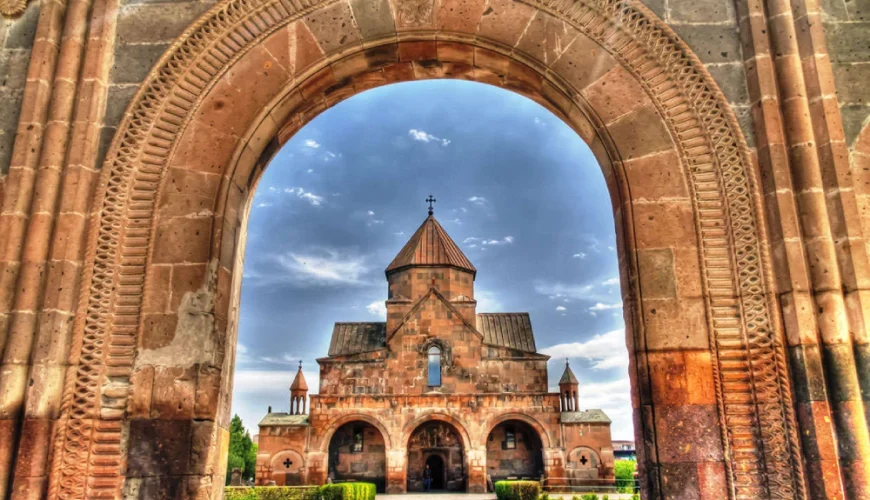
Saint Gayane Church

The church was built in 630 AD and stands above the grave of Saint Gayane, one of the 40 Christian martyrs who played a major role in the history of Armenian religion.

Read More

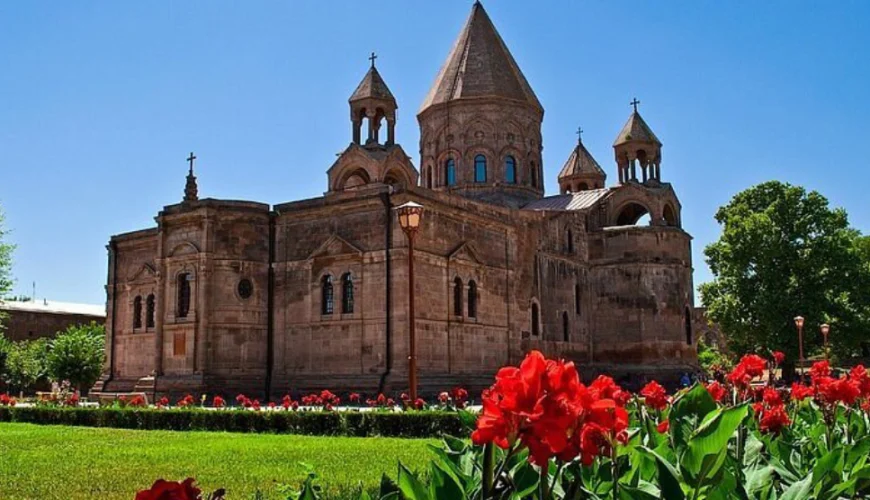
Saint Hripsime Church

Saint Hripsime Church is situated right at the entrance of Vagharshapat city, about a 30-minute drive from Yerevan. The church was built in 618 AD, above the grave of Saint Hripsime.

Read More