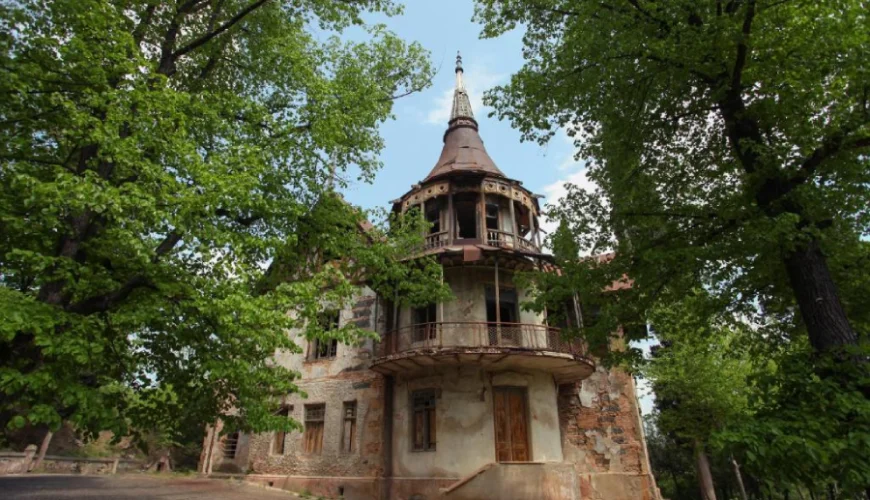
Aramyants Castle
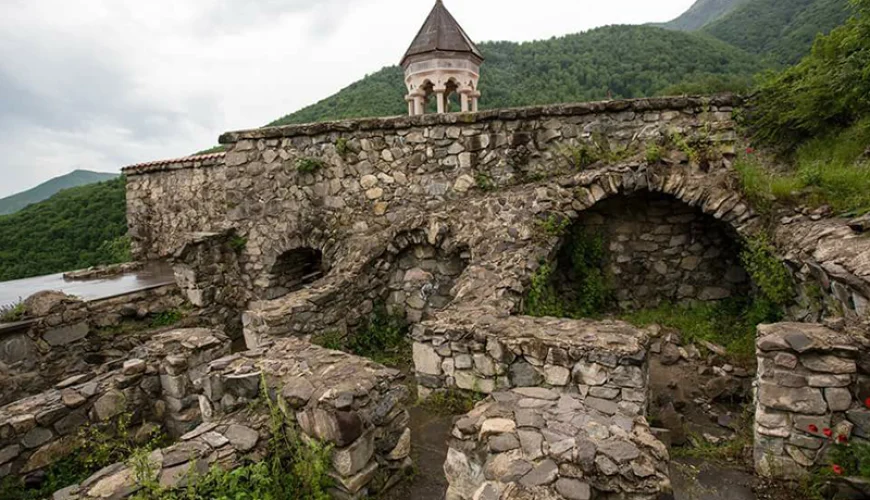
Aramyants Castle was built at the end of the 19th century in the north of Armenia, in the Lori region, near Akhtala Castle — about a 3-hour drive from Yerevan.
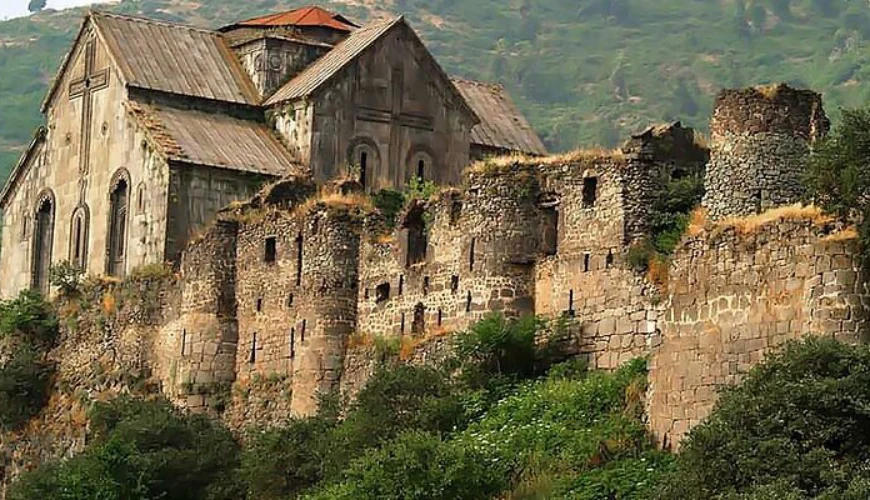
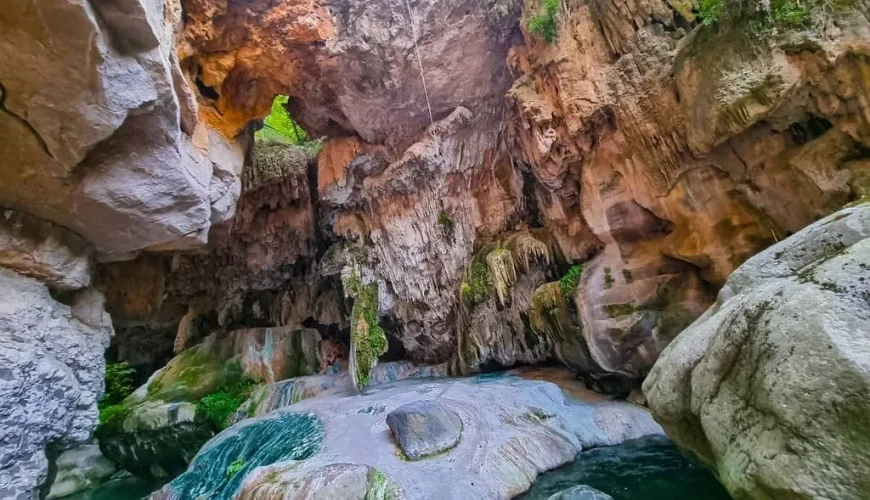
Zarni Parni Cave Castle is located in the Lori region, in the north of Armenia, about a 4-hour drive from Yerevan. In 2004, the castle complex was added to the list of immovable monuments of history and culture of Haghpat as a monument of republican significance.
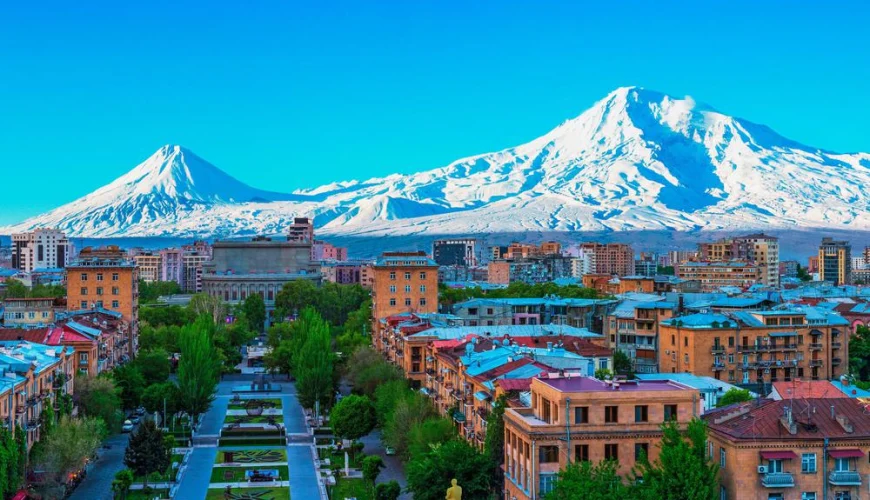
Mount Ararat is one of the most recognizable natural and cultural landmarks associated with Armenian identity and history. Although the mountain now lies within the borders of Turkey, it remains a spiritual symbol of Armenia, proudly featured on the national coat of arms and deeply rooted in Armenian art, literature, and folklore.
Halidzor Fortress is situated near the city of Goris in Syunik Province, about a 3-hour drive from Yerevan. The fortress was established in the 17th century and served as a nunnery.
Devil’s Bridge is situated in the Syunik region, about a 3-hour drive from Yerevan. It’s a fascinating natural wonder that lies deep within the Vorotan Gorge.
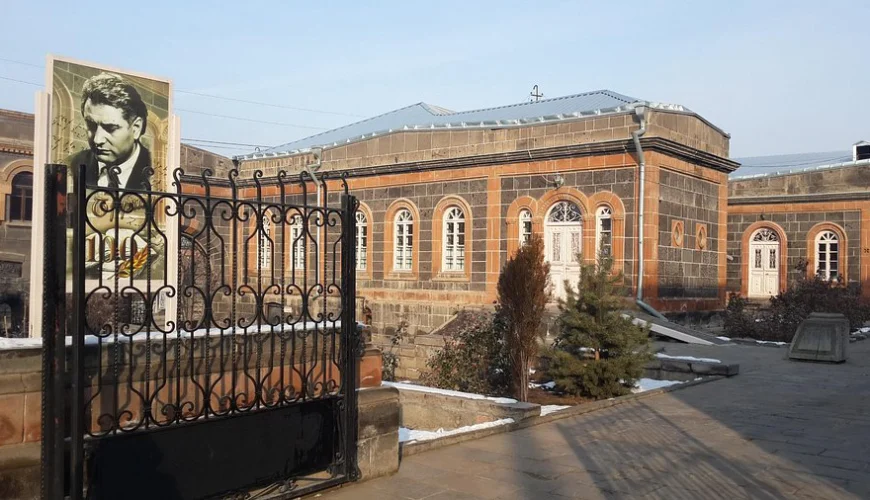
One of the special corners of Gyumri is the House Museum of Hovhannes Shiraz, a poet known for his heartfelt verses about the motherland and motherhood.
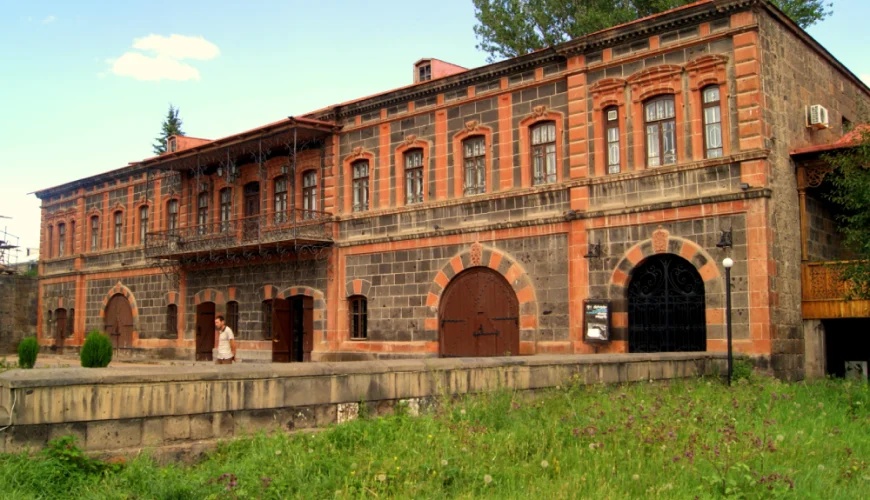
The Toghian Museum of Urban Life and National Architecture is situated in Gyumri, in the Kumayri district. The museum building itself is a beautiful example of 19th-century Gyumri architecture.
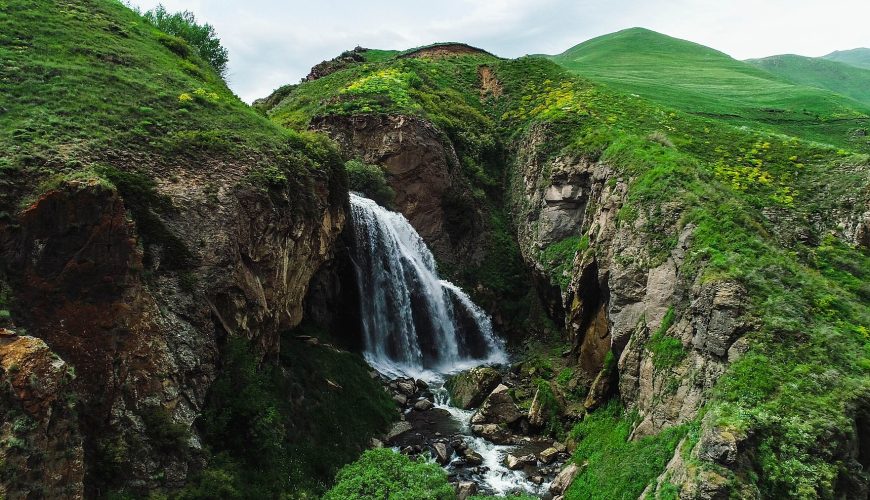
Trchkan Waterfall is one of the most stunning natural sights in Armenia. It’s located right along the border between Shirak and Lori provinces nestled in the scenic valleys of the Bazum mountain range.
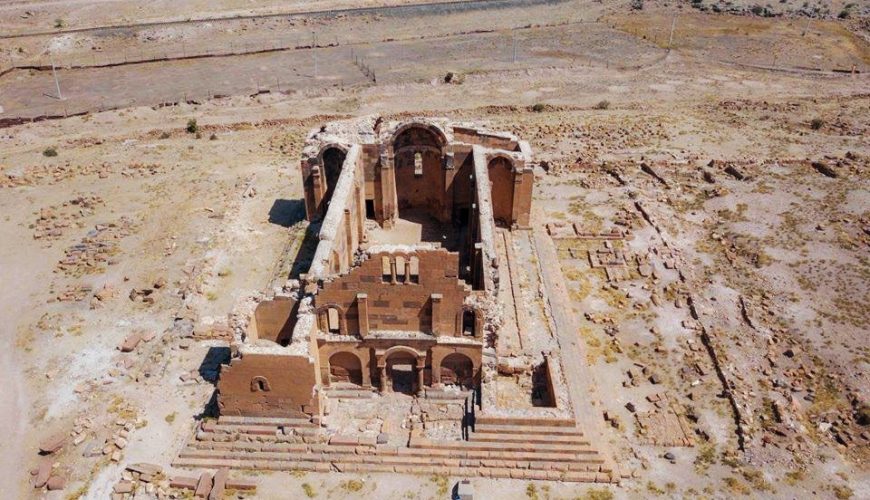
Yererouk Basilica is one of the earliest examples of Armenian architecture, belonging to the Paleo-Christian style. Construction began in the 4th century and was completed in the 6th century.
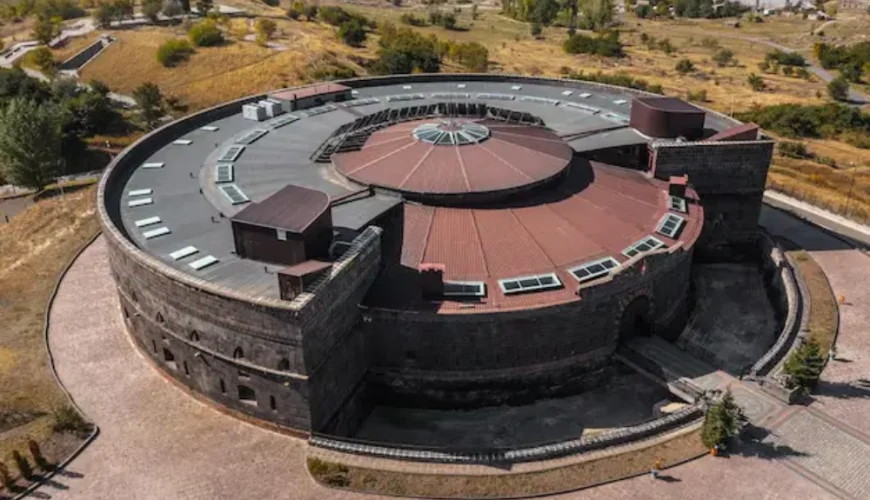
The Black Fortress (in Armenian Sev Berd) in Gyumri was built in 1834, shortly after the Second Russo-Persian War. According to the historical records, the idea for its construction came from growing concerns of a possible future conflict with the Ottoman Empire.