
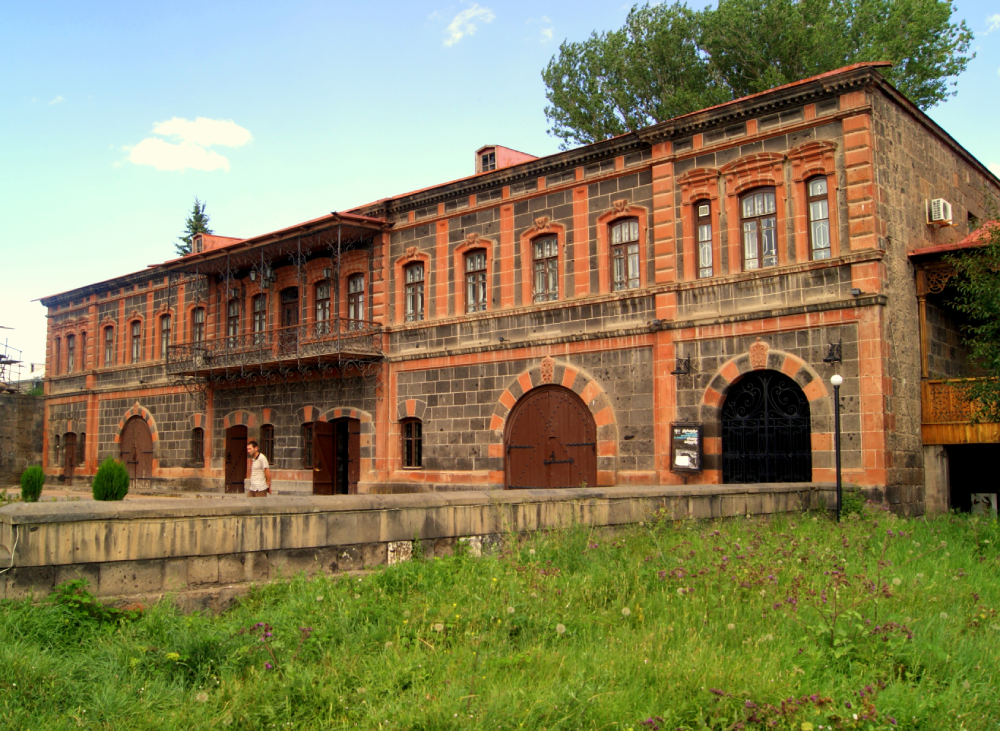
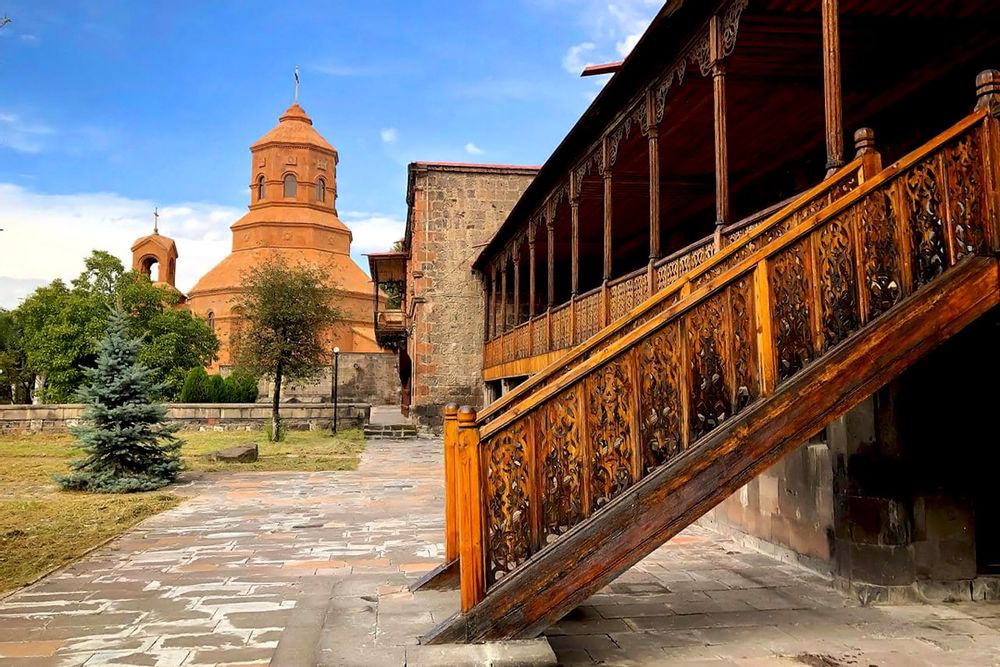
Dzitoghtsyan Museum of Urban Life and National Architecture is situated in Gyumri, in the Kumayri district. The museum building itself is a beautiful example of 19th-century Gyumri architecture.
It was built in 1872 by four brothers who moved to Gyumri from Titogh, a village in Western Armenia, now part of modern-day Turkey. The house was constructed from the famous red tuff, a volcanic stone that is also the foundation of many buildings in Gyumri and Yerevan.
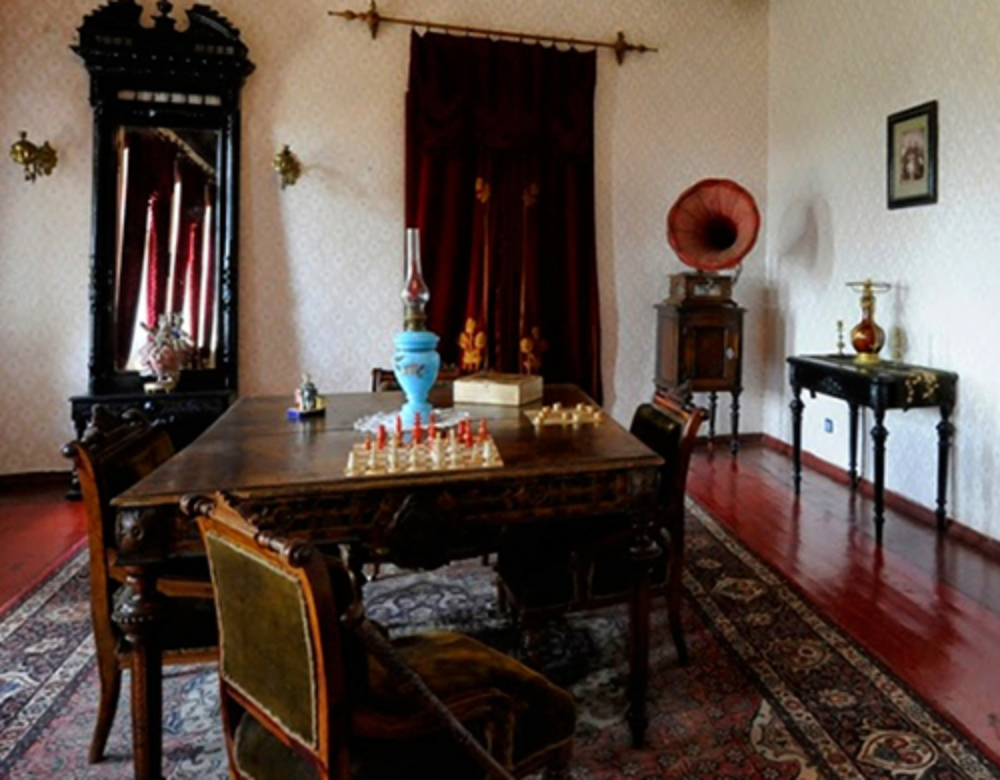
In 1984, this mansion was turned into a museum. Inside, visitors can step into the atmosphere of a wealthy Armenian household from the late 19th and early 20th centuries.
The museum offers a detailed look into the lives of people from that period through original furniture, photographs, clothing, musical instruments, and many small household items that tell the story of urban life in old Gyumri.
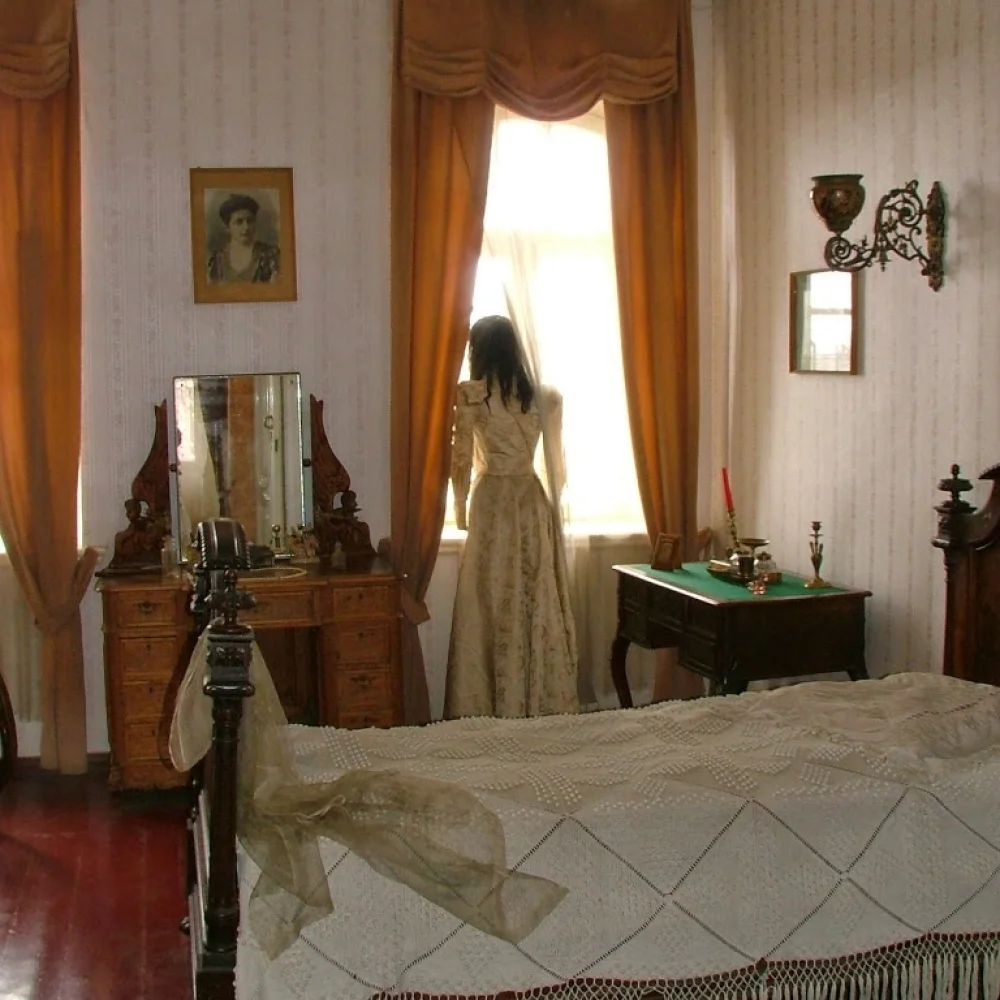

One of the highlights is the room dedicated to Eugenie Dzitoghtsyan, who devoted her life to charity. In the 20th century, she helped establish a branch of the Red Cross in Gyumri and provided aid to orphans who had survived the Armenian Genocide between 1915 and 1922. For many years, her name remained in the shadows, but today her legacy is honored in the museum.
The Dzitoghtsyan Museum is more than just a beautiful old building—it’s a magical place that transports visitors to 19th-century Gyumri. It helps us understand the traditions, lifestyle, and culture of Armenian families during a very different era.


Comment (0)